Capturing the Perfect Sunset: Techniques and Tips
Learn how to capture stunning sunset photographs with the right settings and composition techniques.

Alex Morgan
Professional photographer with 10+ years of experience

Sunset photography is one of the most rewarding yet challenging aspects of landscape photography. The golden hour provides magical lighting, but it also presents unique technical challenges that every photographer must master.
- Understanding Golden Hour
The golden hour occurs twice daily - shortly after sunrise and before sunset. During this time, the sun is low on the horizon, creating warm, soft light that's perfect for photography.
- Key Characteristics of Golden Hour Light:
- Warm color temperature (2500K-3500K)
- Soft, diffused shadows
- Enhanced contrast without harsh highlights
- Rich, saturated colors
- Essential Camera Settings
Getting the right exposure during sunset can be tricky due to the extreme dynamic range between the bright sky and darker foreground.
- Recommended Settings:
- Aperture: f/8 to f/11 for optimal sharpness
- ISO: Keep as low as possible (100-400)
- Shutter Speed: Varies based on conditions
- Focus: Manual focus on infinity or hyperfocal distance
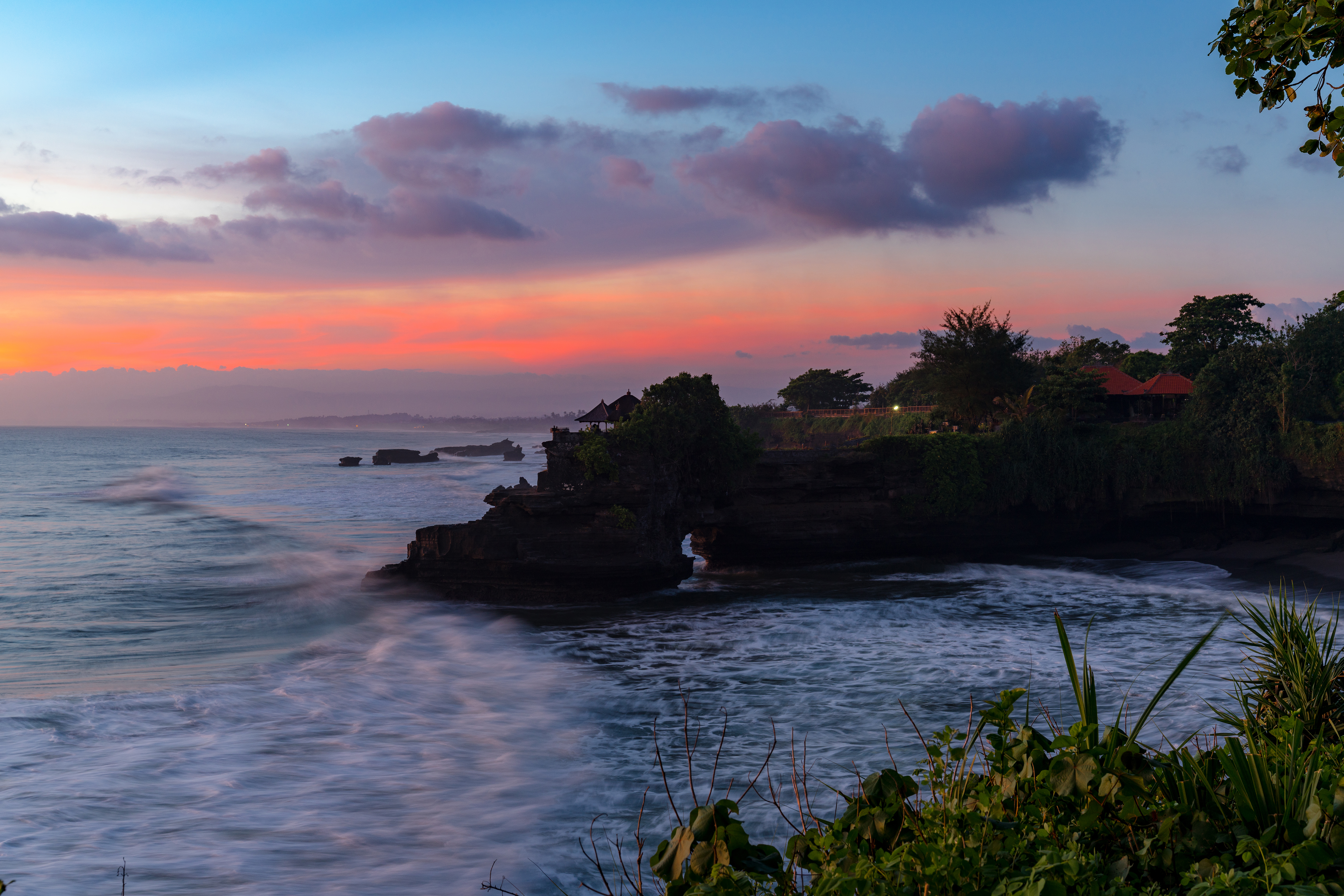
Example photograph demonstrating the technique
- Composition Techniques
- Rule of Thirds
- Leading Lines
- Foreground Interest
- Advanced Techniques
- Bracketing and HDR
- Take multiple exposures at different settings
- Combine them in post-processing for extended dynamic range
- Maintain natural-looking results
- Graduated Neutral Density Filters
- Balance exposure between sky and foreground
- Reduce the need for extensive post-processing
- Maintain detail in both highlights and shadows
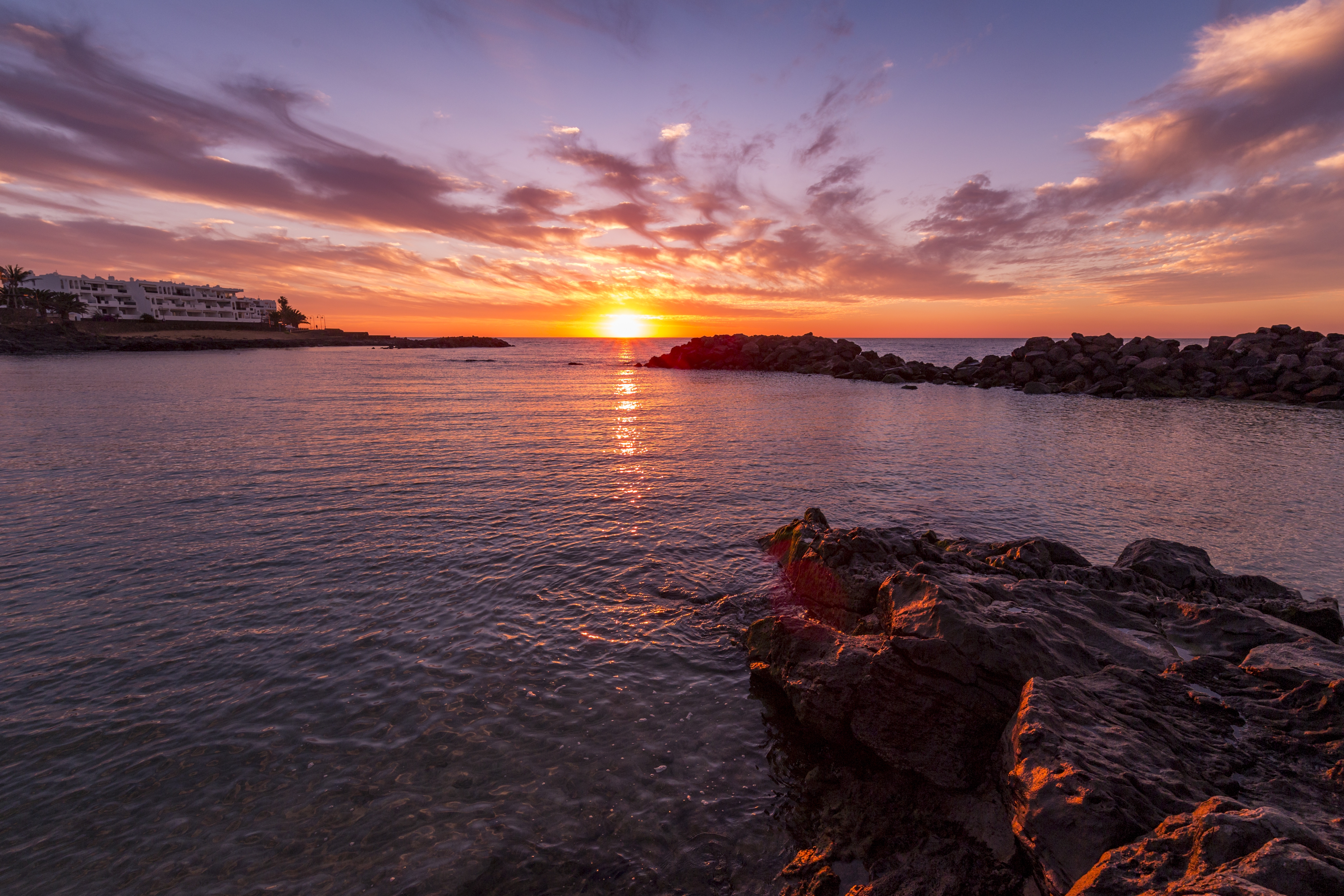
Example photograph demonstrating the technique
- Post-Processing Tips
- Color Grading
- Enhance the warm tones without overdoing it
- Adjust individual color channels for better control
- Use luminosity masks for precise adjustments
- Highlight and Shadow Recovery
- Recover blown highlights in the sky
- Lift shadows to reveal foreground details
- Maintain natural contrast
- Common Mistakes to Avoid
- Overexposing the sky
- Ignoring the foreground
- Over-saturating colors in post-processing
- Not checking the weather forecast
- Arriving too late to scout the location
- Planning Your Sunset Shoot
- Research and Preparation
- Use apps like PhotoPills or Sun Surveyor
- Check weather conditions
- Scout locations during the day
- Arrive early to set up
- Safety Considerations
- Bring a headlamp for the return journey
- Inform someone of your plans
- Check tide times for coastal locations
- Be aware of changing weather conditions
The key to successful sunset photography lies in preparation, understanding your camera settings, and being patient with the ever-changing light. Remember, the best sunset photos often happen in the minutes after the sun disappears below the horizon.
Tags

Alex Morgan
Professional Photographer
Alex is a professional photographer with over 10 years of experience in landscape, portrait, street, and wildlife photography. Based in New York, Alex travels the world capturing stunning images and sharing photography techniques through workshops and online content.