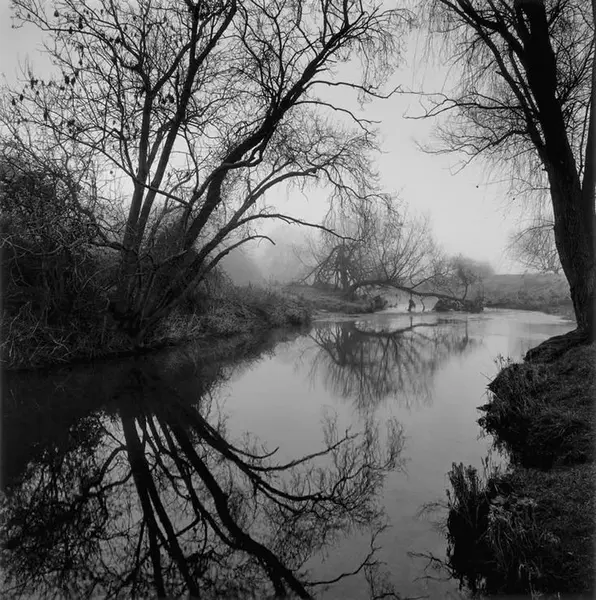
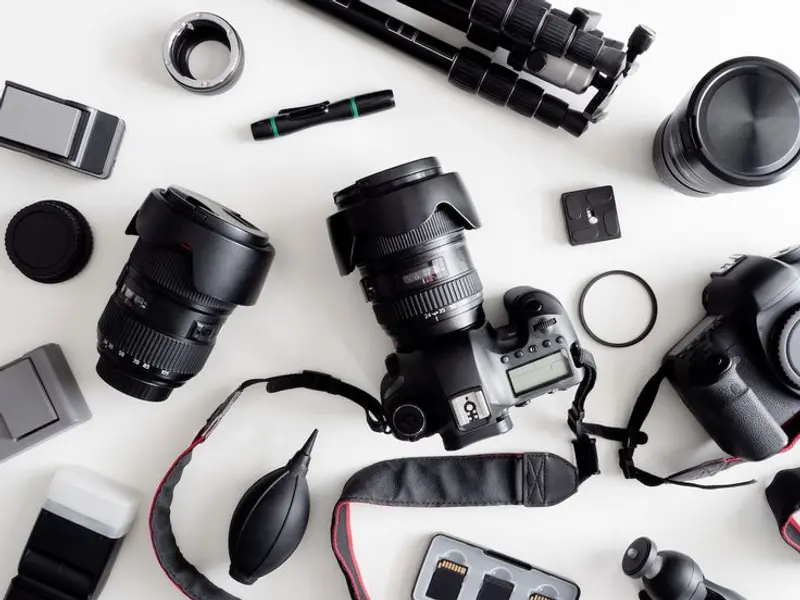
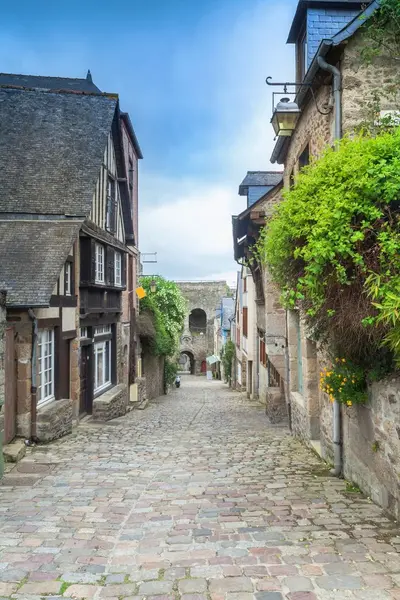
Mastering Light in Photography
Understanding how light shapes your photographs and techniques to control it.

Alex Morgan
Professional photographer with 10+ years of experience
Light is the fundamental element of photography – without it, there would be no image. Understanding how to see, shape, and control light is what separates good photographers from great ones. This comprehensive guide explores the nature of light and how to use it creatively.
Understanding Light Quality
Hard vs. Soft Light Hard Light: - Creates sharp, well-defined shadows - High contrast between highlights and shadows - Dramatic and intense mood - Sources: Direct sunlight, bare flash, small light sources
Soft Light: - Creates gradual transitions between light and shadow - Lower contrast and more even illumination - Flattering for portraits - Sources: Overcast sky, large softboxes, reflected light
Direction of Light The angle of light relative to your subject dramatically affects the mood and dimensionality of your photographs.
Front Lighting: - Even illumination across the subject - Minimal shadows - Good for documentation but can appear flat
Side Lighting: - Creates depth and dimension - Reveals texture and form - Classic choice for portraits and still life
Back Lighting: - Creates silhouettes and rim lighting - Dramatic and artistic effects - Requires careful exposure control [IMAGE8]
Natural Light Throughout the Day
Golden Hour The hour after sunrise and before sunset provides warm, soft light that's universally flattering.
Characteristics: - Color temperature: 2500K-3500K - Long shadows that add depth - Enhanced colors and contrast - Directional light that's not harsh
Blue Hour The period just after sunset when the sky takes on a deep blue color.
Perfect For: - Cityscapes with artificial lighting - Balancing ambient and artificial light - Creating mood and atmosphere
Midday Sun Often avoided by photographers, but harsh midday light can be used creatively.
Techniques: - Use shadows as compositional elements - Create high-contrast black and white images - Find open shade for portraits - Use fill flash to balance harsh shadows
Overcast Conditions Cloudy skies act as a giant softbox, providing even, diffused light.
Advantages: - No harsh shadows - Saturated colors - Consistent lighting conditions - Great for portraits and macro photography
Artificial Lighting
Flash Photography Understanding flash allows you to create light exactly where and when you need it.
On-Camera Flash: - Convenient but often harsh - Use bounce techniques for softer light - Consider flash modifiers
Off-Camera Flash: - More control over light direction - Create dramatic lighting effects - Multiple flash setups for complex lighting [IMAGE9]
Continuous Lighting Always-on lights that allow you to see the effect before taking the photo.
LED Panels: - Energy efficient and cool running - Adjustable color temperature - Good for both photo and video
Tungsten Lights: - Warm color temperature (3200K) - Powerful output - Generate significant heat
Light Modifiers
Reflectors Bounce existing light to fill shadows or redirect illumination.
Types: - White: Neutral fill light - Silver: Bright, contrasty fill - Gold: Warm fill light - Black: Subtract light or create shadows
Diffusers Soften harsh light sources by spreading the light over a larger area.
Options: - Softboxes for flash - Umbrellas for broad, soft light - Scrims for outdoor photography - Natural diffusers like sheer curtains
Flags and Gobos Control where light doesn't go by blocking or shaping it.
Uses: - Create dramatic shadows - Prevent lens flare - Shape light patterns - Add contrast to scenes
Color Temperature and White Balance
Understanding Color Temperature Different light sources have different color characteristics measured in Kelvin.
Common Sources: - Candlelight: 1900K (very warm) - Tungsten bulbs: 3200K (warm) - Daylight: 5500K (neutral) - Overcast sky: 6500K (cool) - Blue sky: 10000K (very cool)
White Balance Control Auto White Balance: - Convenient but not always accurate - Can shift between shots - Good starting point
Manual White Balance: - Consistent results - Creative control over color mood - Essential for mixed lighting situations
Measuring and Controlling Exposure
Metering Modes Matrix/Evaluative: - Analyzes entire scene - Good general-purpose mode - Can be fooled by unusual lighting
Center-weighted: - Emphasizes center of frame - Good for portraits - More predictable than matrix
Spot Metering: - Measures small area - Precise control - Requires understanding of exposure
Exposure Compensation Fine-tune your camera's meter reading: - Underexpose for dramatic shadows - Overexpose for high-key effects - Bracket important shots
Creative Lighting Techniques
Rim Lighting Position light behind your subject to create a bright outline.
Setup: - Place light source behind subject - Use flags to prevent lens flare - Expose for the subject, not the background
Chiaroscuro Dramatic lighting technique with strong contrast between light and dark.
Characteristics: - Deep shadows and bright highlights - Mysterious and dramatic mood - Single, directional light source
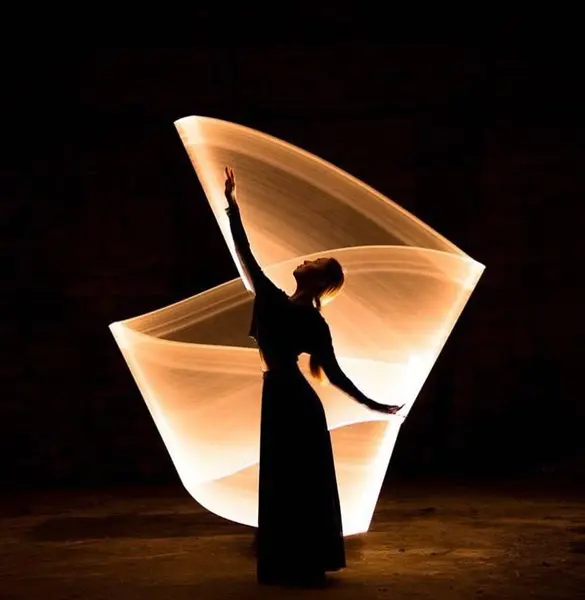
Light Painting Use moving light sources during long exposures to "paint" with light.
Techniques: - Flashlights and LED panels - Steel wool spinning - Car light trails - Multiple exposures
Post-Processing Light
Dodging and Burning Selectively lighten (dodge) or darken (burn) areas of your image.
Digital Techniques: - Adjustment layers with masks - Brush tools with low opacity - Luminosity masks for precise control
Color Grading Adjust the color and mood of your lighting in post-processing.
Tools: - Color wheels for highlights, midtones, shadows - Selective color adjustments - Split toning for creative effects
Developing Your Eye for Light
Observation Exercises - Study light throughout a single day - Notice how light changes the mood of scenes - Observe master painters' use of light - Practice seeing light direction and quality
Practice Projects - One Location, Different Times: Photograph the same subject at various times of day - Single Light Source: Create a series using only one type of lighting - Light Study: Focus on light itself rather than subjects
Common Lighting Mistakes
Ignoring Light Direction - Always consider where your light is coming from - Move yourself or your subject for better light - Don't just accept whatever light is available
Mixed Color Temperatures - Be aware of different light sources in your scene - Correct in camera when possible - Use gels to match color temperatures
Harsh Flash - Avoid direct, on-camera flash when possible - Learn to modify and control flash output - Consider ambient light balance
Understanding light is a lifelong journey in photography. The more you observe and experiment with different lighting conditions, the more intuitive your lighting decisions will become. Remember that rules are meant to be broken – once you understand the fundamentals, don't be afraid to experiment and develop your own lighting style.
Tags

Alex Morgan
Professional Photographer
Alex is a professional photographer with over 10 years of experience in landscape, portrait, street, and wildlife photography. Based in New York, Alex travels the world capturing stunning images and sharing photography techniques through workshops and online content.