Black and White Photography in the Digital Age
Why black and white photography remains powerful and how to create impactful monochrome images.

Alex Morgan
Professional photographer with 10+ years of experience
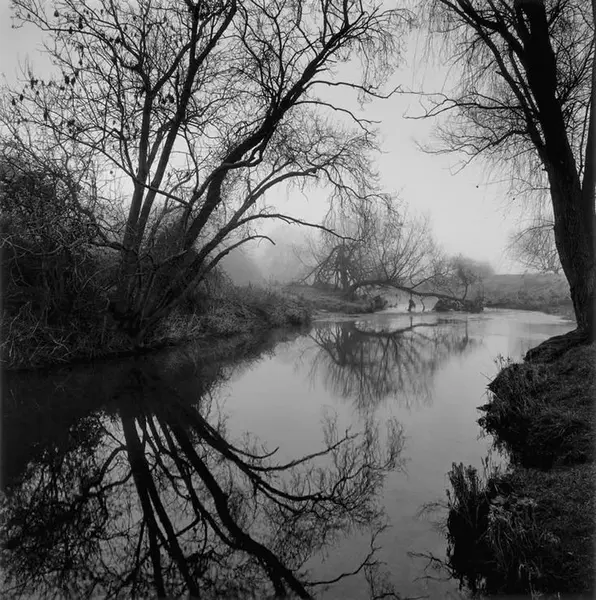
In our world of vibrant digital color, black and white photography might seem like a relic of the past. However, monochrome photography remains one of the most powerful and artistic forms of visual expression. This guide explores why black and white photography endures and how to master it in the digital age.
The Enduring Power of Black and White
Why Black and White Still Matters
* Removes the distraction of color * Focuses attention on emotion and mood * Creates timeless, classic appeal * Emphasizes form, texture, and composition
Artistic Expression
* Allows for creative interpretation of reality * Emphasizes the photographer's vision * Creates unity in diverse subjects * Connects to photography's historical roots
When to Choose Black and White
* Strong contrast and dramatic lighting * Emphasis on texture and pattern * Emotional or documentary subjects * Distracting or unflattering colors * Timeless or classic themes
Seeing in Black and White
Training Your Eye
Learning to visualize in monochrome is crucial for successful black and white photography.
Key Elements to Look For
* Contrast: The relationship between light and dark areas * Texture: Surface details that become more prominent without color * Pattern: Repetitive elements that create visual rhythm * Shape and Form: The fundamental structure of your subjects * Tonal Range: The full spectrum from pure black to pure white
Compositional Considerations
Leading Lines
* More prominent without color distractions * Guide the viewer's eye through the frame * Create depth and dimension
Geometric Shapes
* Triangles, circles, and rectangles become more apparent * Use architectural elements effectively * Look for natural geometric patterns
[IMAGE10]
Technical Aspects
Shooting for Black and White
Camera Settings
* Shoot in RAW format for maximum flexibility * Consider using your camera's monochrome mode for preview * Pay attention to histogram for proper exposure * Slightly overexpose to preserve shadow detail
Metering Considerations
* Spot meter on important tonal areas * Use exposure compensation for creative control * Bracket exposures for high dynamic range scenes
Digital Conversion Techniques
Channel Mixer Method
* Adjust red, green, and blue channels individually * Red channel: Lightens skin tones, darkens skies * Green channel: Good for landscapes and foliage * Blue channel: Darkens skies dramatically
Color Filter Simulation
Replicate traditional film filters digitally
* Red Filter: Dramatic sky contrast, light skin tones * Orange Filter: Enhanced sky contrast, good portraits * Yellow Filter: Subtle sky enhancement, natural look * Green Filter: Lightens foliage, good for landscapes * Blue Filter: Lightens skies, increases haze
Advanced Processing Techniques
Dodging and Burning
Essential techniques for controlling local contrast and directing attention.
Digital Dodging
* Use soft brushes with low opacity * Work on separate layers for non-destructive editing * Focus on eyes in portraits, key subjects in landscapes
Digital Burning
* Darken distracting elements * Create vignettes to focus attention * Enhance shadows for dramatic effect
Contrast Control
Global Adjustments
* Curves for precise tonal control * Levels for basic contrast enhancement * Clarity and structure for mid-tone contrast
Local Adjustments
* Masking for selective adjustments * Graduated filters for skies and foregrounds * Radial filters for spotlighting subjects
[IMAGE11]
Classic Black and White Styles
High Key
Predominantly light tones with minimal shadows.
Characteristics
* Bright, airy feeling * Minimal contrast * Often used for portraits and fashion * Requires careful exposure control
Low Key
Predominantly dark tones with selective highlights.
Characteristics
* Dramatic and moody * High contrast * Mysterious atmosphere * Effective for portraits and artistic subjects
High Contrast
Strong separation between blacks and whites with minimal mid-tones.
Applications
* Street photography * Architectural subjects * Graphic compositions * Documentary work
Fine Art Approach
Emphasis on tonal gradation and subtle detail.
Techniques
* Full tonal range from black to white * Careful attention to mid-tone detail * Smooth tonal transitions * Often associated with landscape photography
Subject-Specific Approaches
Portraits
Skin Tone Rendering
* Use red channel for flattering skin tones * Avoid over-contrasting facial features * Pay attention to catchlights in eyes * Consider the mood you want to convey
Landscapes
Sky Treatment
* Use polarizing filters to enhance cloud contrast * Consider graduated neutral density filters * Time shooting for dramatic lighting * Look for interesting cloud formations
Street Photography
Documentary Style
* Capture authentic moments * Use available light effectively * Focus on human emotion and interaction * Consider the social context
Architecture
Geometric Emphasis
* Look for strong lines and patterns * Use contrast to define structure * Consider perspective and viewpoint * Pay attention to lighting direction
Printing Black and White
Digital Printing Considerations
Paper Selection
* Matte papers for fine art feel * Glossy papers for maximum contrast * Fiber-based papers for archival quality * Consider paper tone (warm vs. cool)
Calibration
* Monitor calibration is crucial * Use proper viewing conditions * Consider ambient lighting in display area * Test prints for accurate reproduction
Split Toning
Add subtle color casts to highlights and shadows
* Warm highlights, cool shadows for classic look * Selenium toning simulation for archival feel * Subtle color can enhance mood without being obvious
Building a Black and White Portfolio
Consistency
Visual Cohesion
* Develop a consistent processing style * Consider tonal relationships across images * Maintain quality standards throughout * Think about how images work together
Themes and Projects
Documentary Projects
* Social issues and human conditions * Urban environments and architecture * Cultural events and traditions * Personal or family history
Artistic Explorations
* Abstract compositions * Minimalist approaches * Experimental techniques * Fine art landscapes
Learning from the Masters
Study Classic Photographers
* Ansel Adams: Zone system and landscape mastery * Henri Cartier-Bresson: Decisive moment in street photography * Irving Penn: Studio portraiture and still life * Sebastião Salgado: Contemporary documentary photography
Analyze Their Techniques
* Study their use of light and shadow * Understand their compositional choices * Learn from their printing techniques * Apply their principles to your own work
Common Mistakes to Avoid
Over-Processing
* Avoid excessive contrast that loses detail * Don't over-sharpen or add too much clarity * Maintain natural-looking tonal transitions * Preserve the full range of tones
Ignoring Color Relationships
* Remember that colors convert differently to gray * Red and green may appear similar in monochrome * Use color filters or channel mixing to separate tones * Consider the original color relationships
Lack of Purpose
* Have a reason for choosing black and white * Don't use it to fix poor color images * Consider whether color would serve the image better * Make intentional artistic choices
Black and white photography in the digital age offers unprecedented creative control while honoring the medium's rich history. By understanding both the technical and artistic aspects of monochrome photography, you can create images that are both technically excellent and emotionally powerful. Remember that black and white photography is not about the absence of color, but about the presence of light, shadow, and emotion.
Tags

Alex Morgan
Professional Photographer
Alex is a professional photographer with over 10 years of experience in landscape, portrait, street, and wildlife photography. Based in New York, Alex travels the world capturing stunning images and sharing photography techniques through workshops and online content.