Essential Gear for Wildlife Photography
A comprehensive guide to the equipment you need for successful wildlife photography.

Alex Morgan
Professional photographer with 10+ years of experience
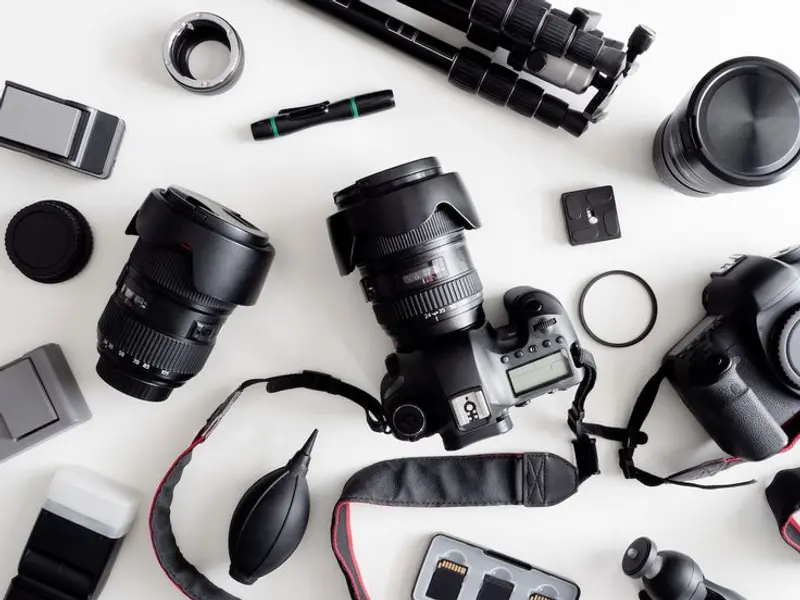
Wildlife photography demands specialized equipment that can handle challenging conditions while delivering the image quality needed to capture nature's most elusive subjects. This guide covers the essential gear every wildlife photographer should consider.
Camera Bodies ------------
Full-Frame vs. Crop Sensor
Full-Frame Advantages:
* Better low-light performance * Wider field of view with any given lens * Generally better build quality and weather sealing
Crop Sensor Advantages:
* Effective focal length multiplication (1.5x or 1.6x) * More affordable entry point * Lighter and more portable
Key Features to Look For:
* Fast and accurate autofocus system * High burst rate (8+ fps) * Good high-ISO performance * Weather sealing * Dual memory card slots
Lenses: Your Most Important Investment ------------------------------------
Telephoto Lenses
Long focal lengths are essential for wildlife photography, allowing you to maintain safe distances while filling the frame.
Popular Focal Lengths:
* 300mm: Good for larger subjects and closer encounters * 400mm: Versatile length for various wildlife situations * 500mm: Excellent for birds and distant subjects * 600mm+: Specialized for small birds and very distant subjects
Prime vs. Zoom Lenses
Prime Lenses:
* Generally sharper and faster (wider apertures) * Better low-light performance * More expensive per focal length
Zoom Lenses:
* More versatile in the field * Better value for multiple focal lengths * Slightly heavier and slower
[IMAGE6]
Support Systems ----------------
Tripods
A sturdy tripod is crucial for sharp images with long telephoto lenses.
Carbon Fiber vs. Aluminum:
* Carbon fiber: Lighter, more expensive, better vibration dampening * Aluminum: Heavier, more affordable, very durable
Key Features:
* Load capacity exceeding your heaviest lens * Quick-release plates * Adjustable leg angles * Comfortable height when fully extended
Tripod Heads
Gimbal Heads:
* Perfect balance for large telephoto lenses * Smooth panning and tilting * Reduces fatigue during long sessions
Ball Heads:
* More compact and versatile * Good for smaller telephoto lenses * Faster to adjust
Monopods
Excellent compromise between handheld shooting and tripod stability.
Camera Settings and Accessories -------------------------------
Memory Cards
* Fast write speeds for burst shooting * Large capacity for extended sessions * Always carry spares
Batteries
* Cold weather drains batteries quickly * Carry multiple spares * Consider battery grips for extended shooting
Filters
UV Filters:
* Protect expensive front elements * Minimal impact on image quality
Polarizing Filters:
* Reduce reflections on water * Enhance sky contrast * Can reduce light by 1-2 stops
Field Accessories -----------------
Camera Bags and Backpacks
Considerations:
* Weather protection * Comfortable carrying system * Quick access to gear * Modular organization
Camouflage and Hides
Portable Blinds:
* Allow closer approach to wildlife * Reduce human scent and movement * Essential for bird photography
Camouflage Clothing:
* Earth tones and natural patterns * Quiet fabrics that don't rustle * Weather-appropriate layers
[IMAGE7]
Specialized Equipment ---------------------
Flash and Lighting
Fill Flash:
* Reduces harsh shadows * Adds catchlight to eyes * Better Beamer attachments for longer reach
Continuous Lighting:
* LED panels for video work * Better for behavioral observation
Remote Triggers
Wireless Triggers:
* Camera traps for nocturnal animals * Remote shooting from hides * Motion sensors and infrared beams
Teleconverters
Multiply your focal length by 1.4x or 2x:
* More affordable than buying longer lenses * Reduce maximum aperture * May impact autofocus performance
Budget Considerations --------------------
Starting Out
Essential Minimum:
* Camera body with good autofocus * 300mm or 400mm telephoto lens * Sturdy tripod * Extra batteries and memory cards
Building Your Kit
Priority Order:
1. Longest telephoto lens you can afford 2. Sturdy support system 3. Weather protection 4. Backup equipment
Used Equipment
* Telephoto lenses hold value well * Professional-grade equipment is built to last * Check shutter count on used camera bodies
Maintenance and Care -------------------
Weather Protection
Rain Covers:
* Protect camera and lens from moisture * Allow continued shooting in light rain * Essential for tropical and coastal environments
Cleaning Supplies:
* Lens cleaning cloths and solution * Sensor cleaning kits * Compressed air for dust removal
Storage and Transport
Humidity Control:
* Silica gel packets in camera bags * Proper storage in humid climates * Allow equipment to acclimate to temperature changes
Recommended Setups by Budget -----------------------------
Entry Level ($2,000-$4,000)
* Crop sensor camera body * 100-400mm zoom lens * Basic tripod and head * Essential accessories
Intermediate ($4,000-$8,000)
* Full-frame camera body * 300mm or 400mm prime lens * Quality carbon fiber tripod * Comprehensive accessory kit
Professional ($8,000+)
* Top-tier camera body * Multiple telephoto lenses * Professional support systems * Specialized accessories and backup equipment
Future-Proofing Your Investment --------------------------------
Lens Ecosystem
Choose a camera system with a strong selection of telephoto lenses and good third-party support.
Technology Trends
* Mirrorless systems are becoming dominant * In-body image stabilization is increasingly common * Computational photography features are expanding
The key to successful wildlife photography gear selection is understanding your specific needs and gradually building a kit that supports your photographic goals. Start with the essentials and expand based on your experience and the types of wildlife you most enjoy photographing.
Tags

Alex Morgan
Professional Photographer
Alex is a professional photographer with over 10 years of experience in landscape, portrait, street, and wildlife photography. Based in New York, Alex travels the world capturing stunning images and sharing photography techniques through workshops and online content.