The Art of Portrait Photography
Discover the secrets to creating compelling portrait photographs that tell a story.

Alex Morgan
Professional photographer with 10+ years of experience
Portrait photography is about more than just capturing someone's likeness – it's about revealing their personality, emotions, and essence through the lens. Whether you're photographing family, friends, or clients, understanding the fundamentals of portrait photography will elevate your work.
- Understanding Your Subject
The foundation of great portrait photography begins with connecting with your subject. This connection translates directly into more natural, engaging photographs.
- Building Rapport
- Start with casual conversation
- Show genuine interest in your subject
- Make them feel comfortable and relaxed
- Give clear, positive direction
- Reading Body Language
- Watch for tension in shoulders and face
- Notice when subjects are genuinely relaxed
- Adjust your approach based on their comfort level
- Technical Fundamentals
- Camera Settings for Portraits
Aperture: Wide apertures (f/1.4-f/2.8) create beautiful background blur (bokeh) that isolates your subject. For group portraits, use f/5.6-f/8 to ensure everyone is in focus.
Shutter Speed: Maintain at least 1/focal length to avoid camera shake. For a 85mm lens, use 1/85s or faster.
ISO: Keep as low as possible while maintaining proper exposure. Modern cameras handle ISO 800-1600 well.
- Focus Points
- Always focus on the eyes
- For profile shots, focus on the eye closest to camera
- Use single-point autofocus for precision
[IMAGE2]
- Lighting Techniques
- Natural Light
Window Light: Position your subject at a 45-degree angle to a large window for soft, directional light.
Golden Hour: The hour after sunrise or before sunset provides warm, flattering light.
Open Shade: Find areas of even, soft light like under a tree or building overhang.
- Artificial Light
Key Light: Your main light source, typically positioned at a 45-degree angle to your subject.
Fill Light: Reduces shadows created by the key light, usually positioned opposite the key light.
Background Light: Separates your subject from the background.
- Posing and Direction
- Basic Posing Principles
- Angle the body slightly away from camera
- Keep shoulders relaxed and down
- Create angles with arms and hands
- Watch hand placement – avoid cutting off at joints
- Working with Different Body Types
- Understand flattering angles for each person
- Use clothing and posing to enhance positive features
- Be encouraging and positive throughout the session
[IMAGE3]
- Composition in Portraits
- Framing Options
- Headshots: Focus on facial expression and eyes
- Half-body: Include hands and upper torso
- Full-body: Show entire subject and environment
- Background Considerations
- Keep backgrounds simple and uncluttered
- Use depth of field to blur distracting elements
- Consider how background colors complement your subject
- Environmental Portraits
Environmental portraits show subjects in their natural habitat or workspace, telling a more complete story.
- Location Scouting
- Choose locations that reflect your subject's personality
- Consider lighting conditions throughout the day
- Look for interesting architectural or natural elements
- Balancing Subject and Environment
- Don't let the environment overpower your subject
- Use the environment to support the story
- Consider the relationship between subject and space
- Post-Processing for Portraits
- Skin Retouching
- Remove temporary blemishes while keeping skin texture
- Avoid over-smoothing – maintain natural appearance
- Use frequency separation for advanced retouching
- Color Grading
- Enhance skin tones naturally
- Consider the mood you want to convey
- Maintain consistency across a series
- Eye Enhancement
- Brighten and sharpen eyes subtly
- Enhance catchlights
- Remove red-eye if present
- Building Your Portrait Style
- Finding Your Voice
- Study work of portrait masters
- Experiment with different lighting styles
- Develop a consistent editing approach
- Practice regularly with willing subjects
- Equipment Recommendations
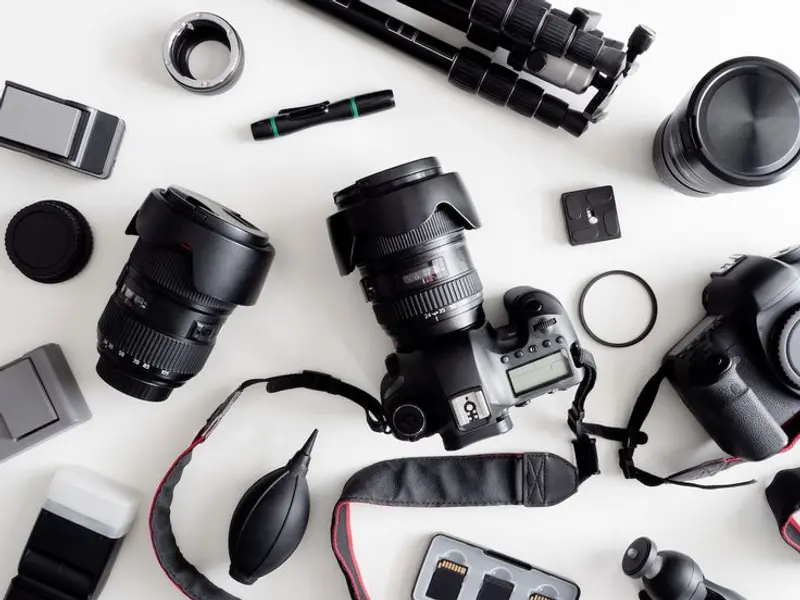
- Lenses: 85mm, 105mm, or 135mm for flattering compression
- Lighting: Start with natural light, add reflectors
- Camera: Full-frame sensors provide better low-light performance
The art of portrait photography combines technical skill with human connection. The more you practice and experiment, the more natural it becomes to capture the essence of your subjects.
Tags

Alex Morgan
Professional Photographer
Alex is a professional photographer with over 10 years of experience in landscape, portrait, street, and wildlife photography. Based in New York, Alex travels the world capturing stunning images and sharing photography techniques through workshops and online content.